If you’ve inherited a shoebox of old football cards or you’re finally ready to part with a collection you’ve built over decades, selling vintage football cards doesn’t have to be complicated. With the right preparation, you can turn your collection into cash while making sure you get a fair price for what you own. This guide walks you through the entire process, from organizing your cards to understanding which vintage football cards and sets are worth the most money today.
For collectors and buyers alike, “vintage” football cards generally refers to cards produced before 1980, though the definition can vary slightly depending on who you ask. Cards from this era carry historical significance, scarcity, and nostalgia that modern cards simply can’t replicate — and that’s exactly why they command strong prices in today’s market.
Step 1: Take Inventory of Your Collection
Before you contact any buyer, spend time creating a simple inventory of what you have. Go through your cards and note:
-
The approximate number of cards in your collection
-
The years and manufacturers represented (Topps, Bowman, Leaf, National Chicle, etc.)
-
Any complete or partial sets you may own
-
Notable players or rookie cards you recognize
A basic spreadsheet or even a handwritten list works fine at this stage. Having this information ready will make conversations with potential buyers faster and smoother, and it will help you avoid underselling cards you didn’t realize were valuable.
Step 2: Photograph or Scan Your Best Cards
Once you know roughly what you have, take clear photos or scans of your most valuable pieces — particularly any rookie cards of Hall of Fame players. If you’re not sure which players are enshrined in Canton, a quick search of the Pro Football Hall of Fame’s official list of inductees can help you cross-reference your cards.
For each key card, photograph both the front and back so a buyer can assess condition. It also helps to snap a few photos of a random sample from the rest of your collection so an appraiser can get a sense of the overall condition without needing to see every single card in person.
You don’t need professional equipment for this — a smartphone camera in good lighting is usually more than enough to get started.
Step 3: Count Your Pre-1980 Cards by Year
Even collections without major star power can hold significant value if they contain a large volume of genuinely vintage material. Buyers are often just as interested in bulk lots from the 1950s and 1960s as they are in individual star cards, so tally up your pre-1980 cards by year and manufacturer. This kind of detail lets a dealer give you a much more accurate ballpark estimate before any formal appraisal takes place.
Step 4: Identify Reputable Buyers
With your inventory and photos ready, start researching buyers who specialize in vintage sports cards. Options typically include:
-
Specialized vintage card dealers who focus specifically on pre-1980 football, baseball, and basketball cards
-
Auction houses, which can be a good fit for extremely rare or high-end pieces
-
Local card shops, though these tend to offer lower prices due to limited access to national buyers and higher overhead costs
Whichever route you choose, look for buyers with a verifiable track record, positive customer reviews, and transparency about how they determine offers. A trustworthy buyer will walk you through their appraisal process and explain how they arrived at a price.
Step 5: Schedule an Appraisal
Depending on your location and the size of your collection, you may need to mail your cards to a buyer for evaluation, meet in person, or work through photos and video calls. If shipping is involved, take care to package cards securely using rigid card holders, penny sleeves, and sturdy boxing to prevent damage in transit. Reputable buyers will typically insure high-value shipments and communicate clearly throughout the process.
Set realistic expectations going in. Condition, rarity, and current market demand all play a role in the final offer, so understanding grading standards ahead of time can help you avoid disappointment.
Understanding Vintage Football Card Grading
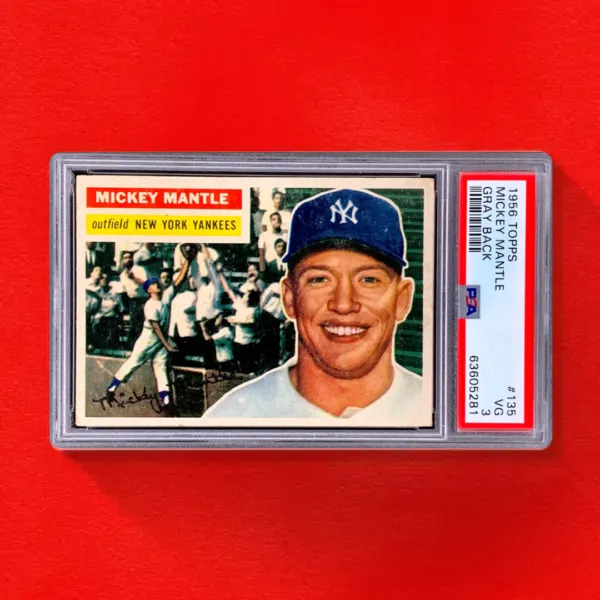
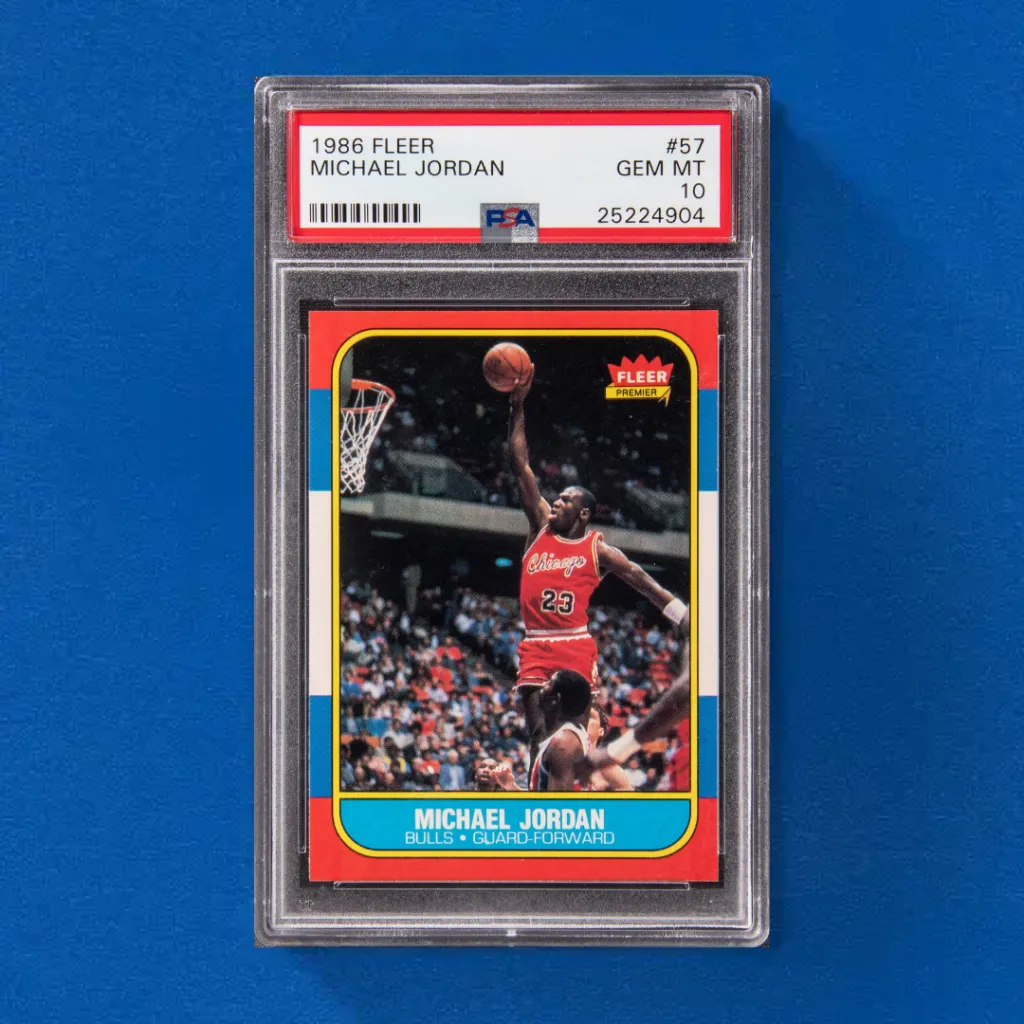
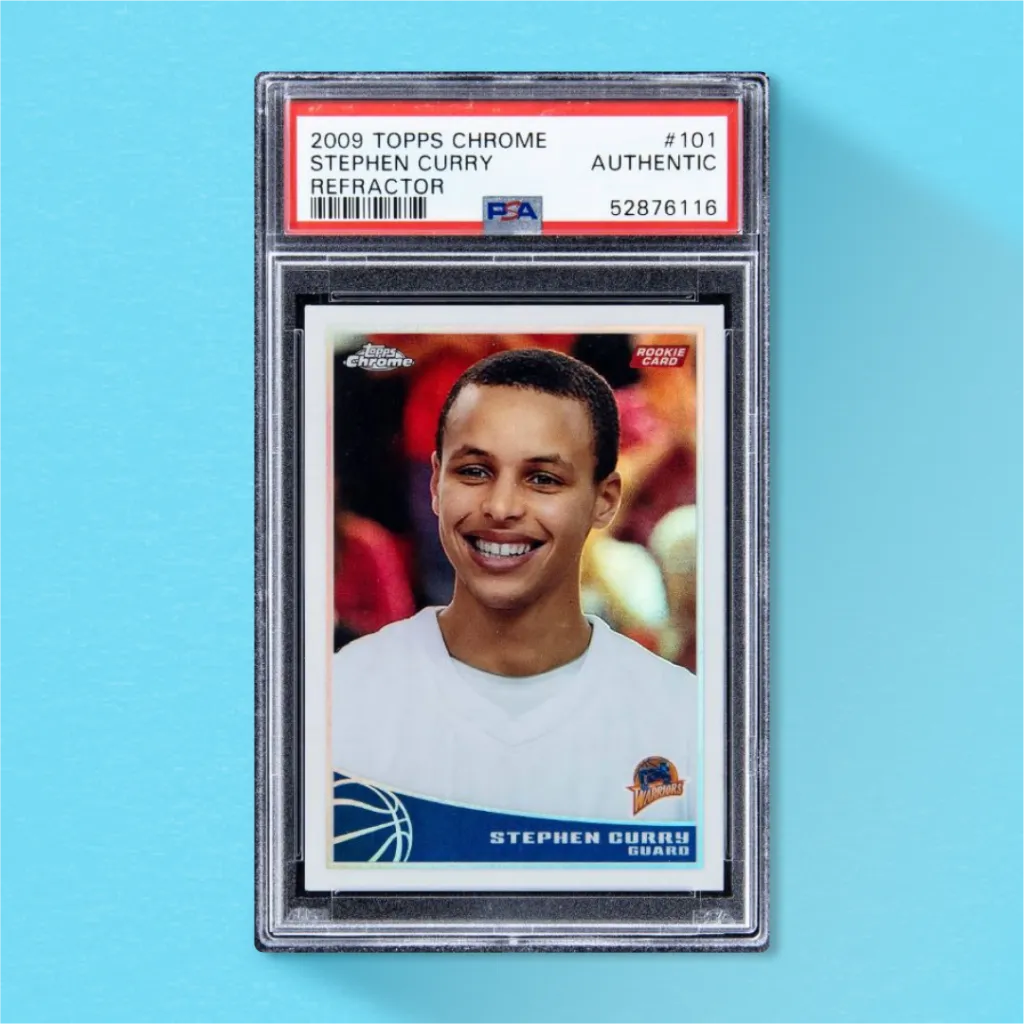
Grading is one of the biggest factors in determining a card’s value. Professional grading services evaluate centering, corners, edges, and surface condition, then assign a numerical grade. A high-grade vintage rookie card can be worth many times more than the same card in poor condition, so understanding roughly where your cards fall on that scale — even informally — is a helpful step before you sell.
If you’re unsure how to evaluate condition yourself, many buyers offer free guidance or informal assessments as part of the appraisal process.
The Most Valuable Vintage Football Rookie Cards
Rookie cards of Pro Football Hall of Famers consistently rank among the most sought-after pieces in the hobby. Football cards have been produced for well over a century, and several eras produced cards that remain highly desirable today, including:
-
Early 20th-century tobacco and candy issues from the 1890s–1930s
-
1935 National Chicle
-
1948 and 1950s Leaf and Bowman issues
-
1955 Topps All-American
-
Late 1950s and 1960s Topps and Philadelphia Gum issues featuring quarterbacks and other offensive stars who went on to Hall of Fame careers
-
1970s Topps rookie cards of legendary running backs and other era-defining players
Cards featuring quarterbacks, running backs, and other skill-position Hall of Famers from these sets tend to command the strongest prices, especially in higher grades.
Post-1979 Rookie Cards Worth Knowing About
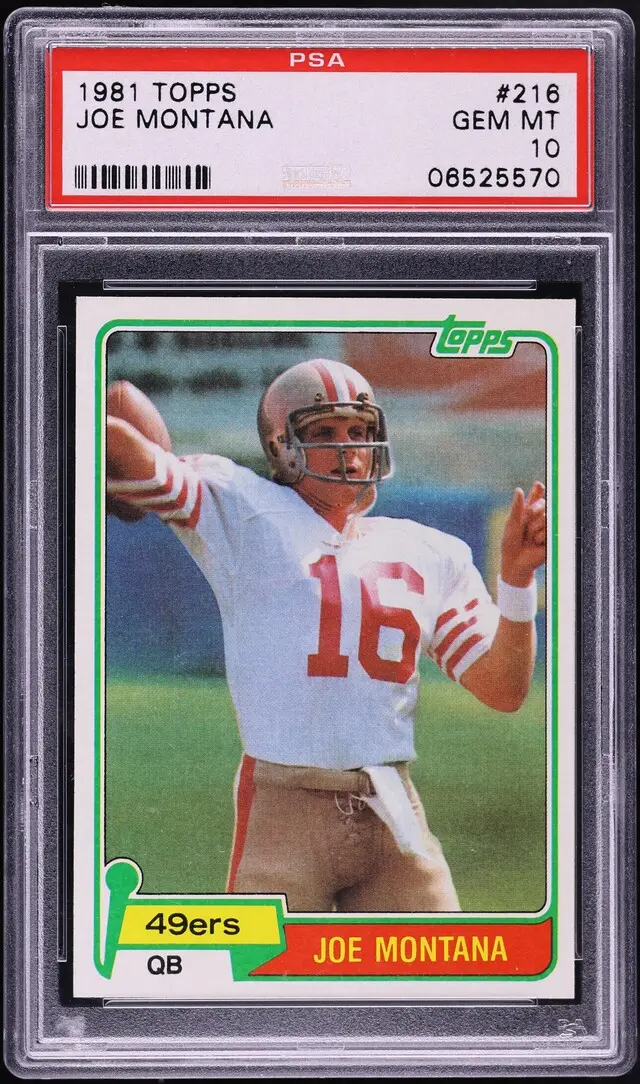
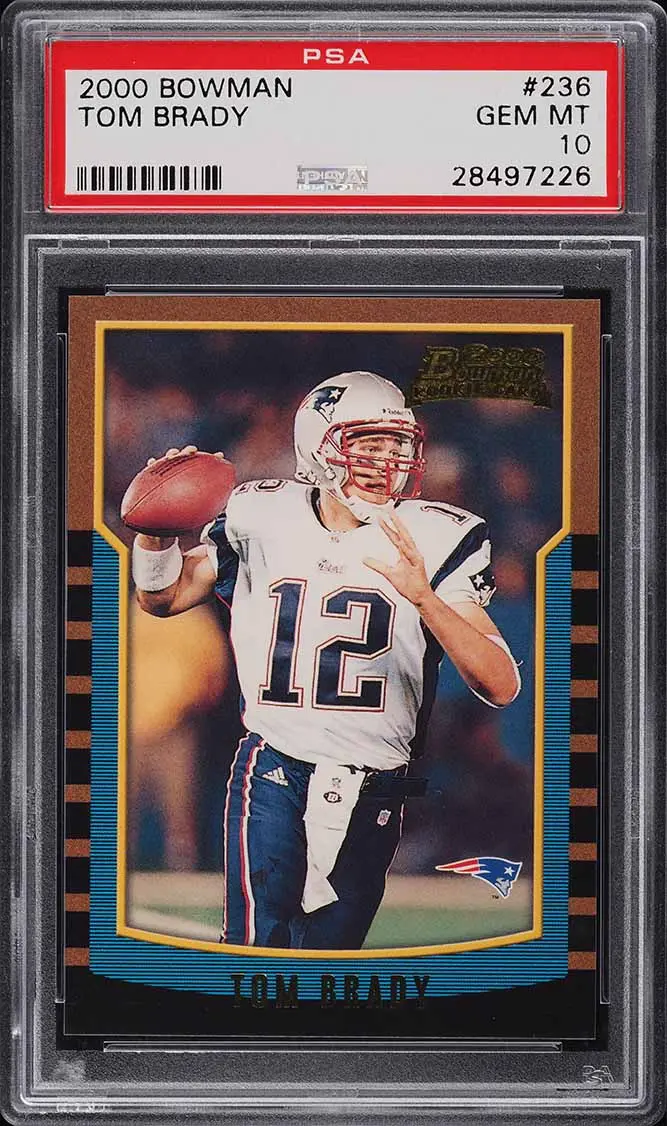
While the vintage cutoff is generally considered to be 1979, a number of rookie cards produced shortly after that point have become extremely valuable in their own right, largely due to the star power and career achievements of the players featured. Quarterbacks and skill players who debuted in the early-to-mid 1980s and beyond — and went on to Hall of Fame or record-breaking careers — are a good example of cards that blur the line between “vintage” and “modern” in terms of collector demand.
Valuable Vintage Football Sets
Beyond individual rookie cards, complete or near-complete vintage sets can be worth significant money, particularly from the following eras:
-
1930s candy and gum issues
-
Late 1940s and 1950s Bowman and Leaf sets
-
1955 Topps All-American
-
Late 1950s through 1960s Topps and Fleer sets
-
Early 1970s Topps sets
The older and scarcer the set, the more valuable it tends to be — particularly if it’s complete or includes key star cards in strong condition.
Football Memorabilia and Autographs
It’s not just cards that hold value. Game-worn jerseys, game-used equipment, autographed rookie cards, vintage photographs, ticket stubs, and game programs are all highly collectible. Autographed vintage cards, in particular, can carry a premium, especially when the signature is period-appropriate and well-documented.
Modern memorabilia has value too — autographed and relic cards of star quarterbacks and skill players from the 1990s through today remain popular with collectors, even though they fall outside the traditional vintage window.
Ready to Sell Your Football Card Collection?
Selling vintage football cards is a process, but it doesn’t have to be stressful. By organizing your collection, documenting your best pieces, and working with a reputable buyer who’s transparent about grading and pricing, you can feel confident you’re getting fair value for cards you may have held onto for years.
Whether you have a handful of star rookie cards, a stack of commons from the 1950s, or a full attic’s worth of football memorabilia, there’s a market for it — and a little preparation goes a long way toward making the selling process smooth and rewarding.