Whether you inherited a shoebox of old cardboard or you’ve been chasing rookie cards for decades, figuring out how to sell basketball cards for the best possible price can feel overwhelming. The basketball card market moves fast, values swing based on player performance and nostalgia, and not every buyer is going to give you a fair shake. This guide walks you through everything you need to know — from identifying what you have, to understanding what drives value, to choosing the right place to sell.
Step 1: Take Inventory of Your Collection
Before you can sell basketball cards, you need to know exactly what’s in your collection. Start by creating a simple list that includes:
-
The year and set each card belongs to
-
The players featured, especially any stars or Hall of Famers
-
An estimate of how many cards you have in total
-
Whether you have any complete or near-complete sets
This step alone can save you hours later. Buyers and dealers move much faster when they can see an organized summary instead of sorting through a random pile of cards.
Step 2: Identify High-Value Players and Rookie Cards
Not all basketball cards are created equal. A card’s value comes down to a mix of scarcity, demand, and the significance of the player. Rookie cards — a player’s first officially licensed card — are almost always the most desirable, since they mark the start of a career that may go on to define an era.
Some of the most recognizable and valuable vintage basketball rookie cards include:
-
1948 Bowman George Mikan
-
1957 Topps Bill Russell
-
1961 Fleer Wilt Chamberlain
-
1969 Topps Lew Alcindor (Kareem Abdul-Jabbar)
-
1970 Topps Pete Maravich
-
1972 Topps Julius Erving
-
1980 Topps Larry Bird / Magic Johnson rookie card
-
1984 Star Michael Jordan
-
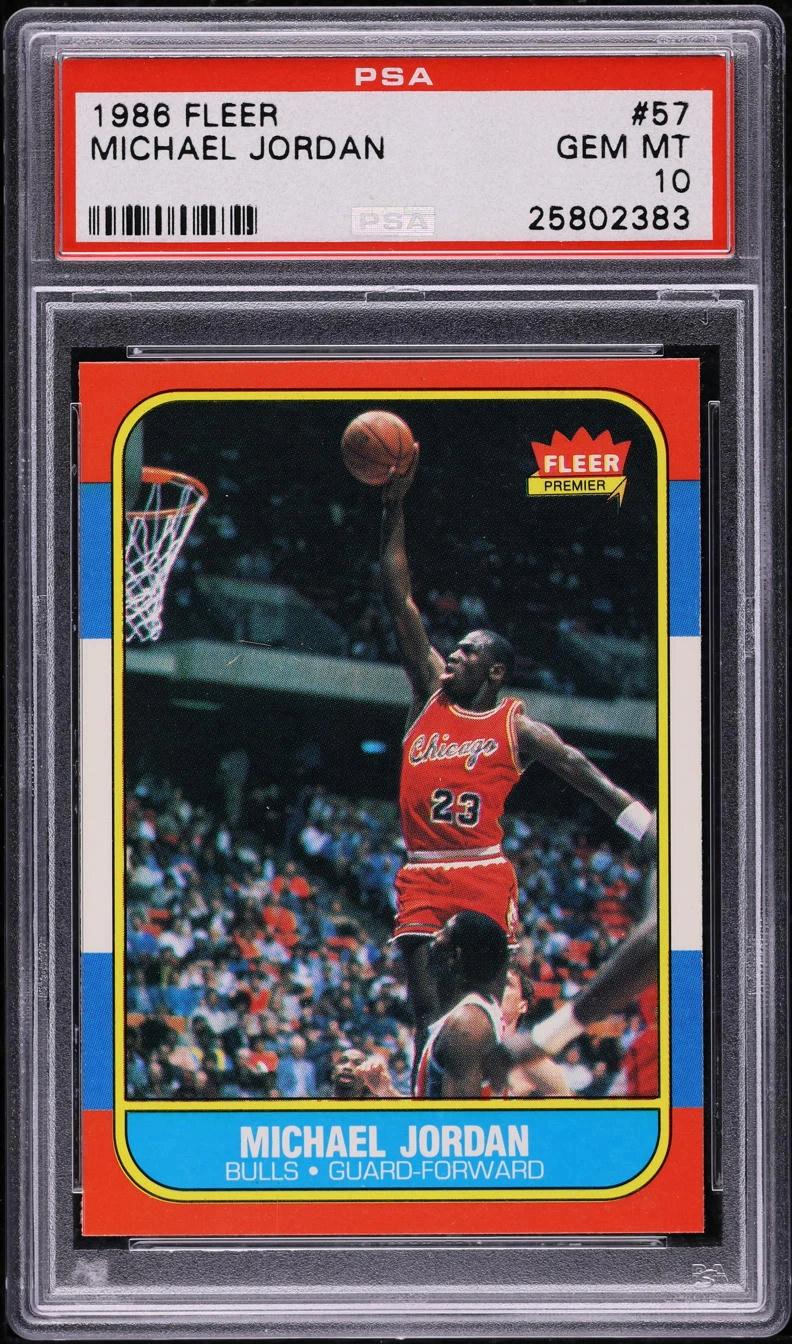
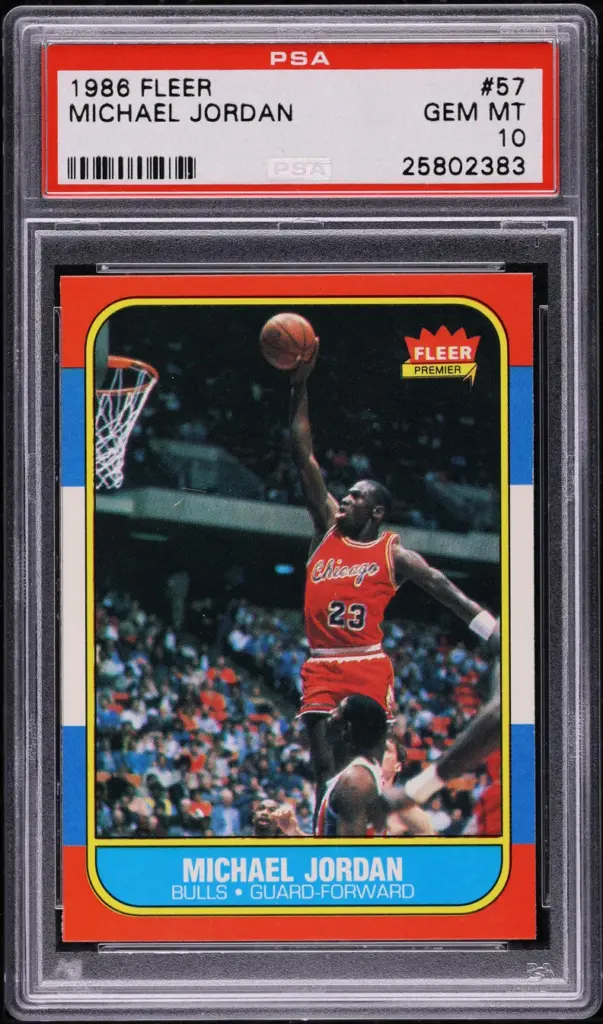
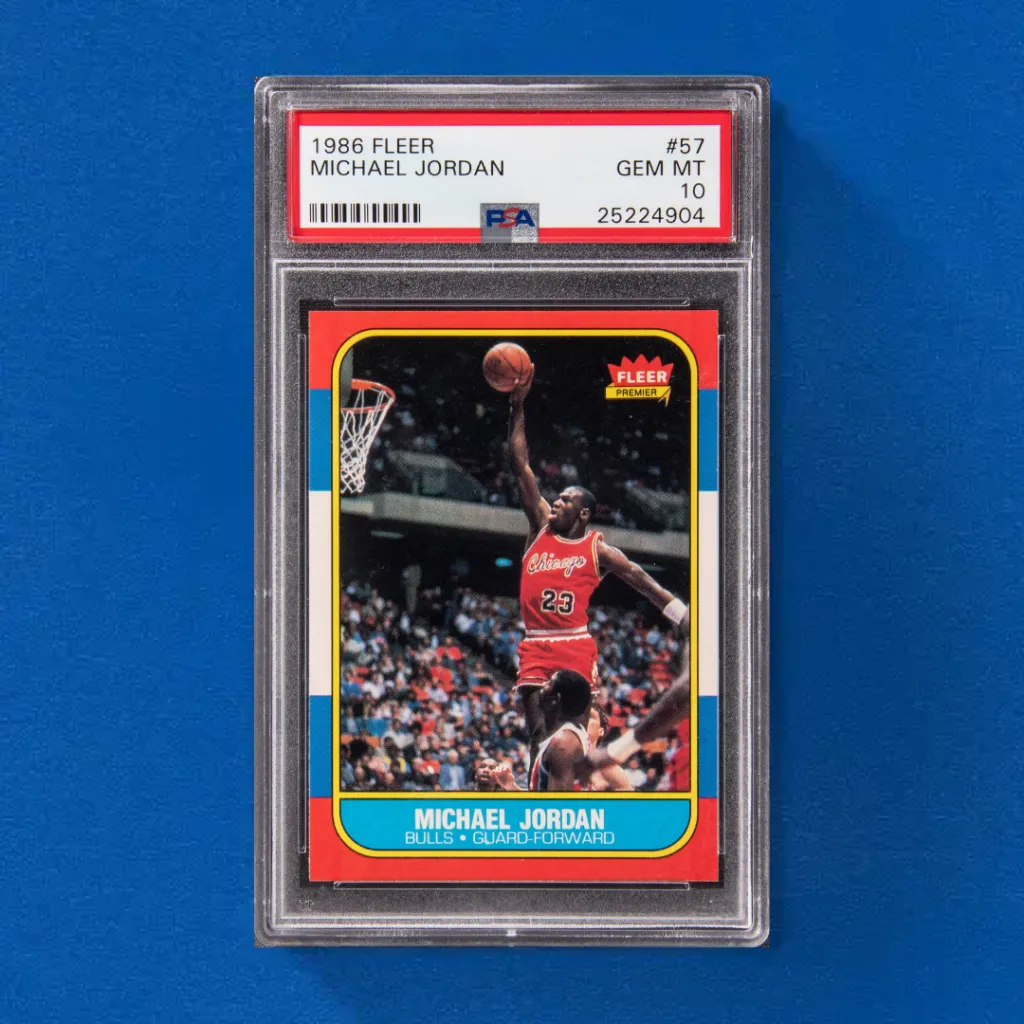
1986 Fleer Michael Jordan
-
1996 Topps Chrome Kobe Bryant
-
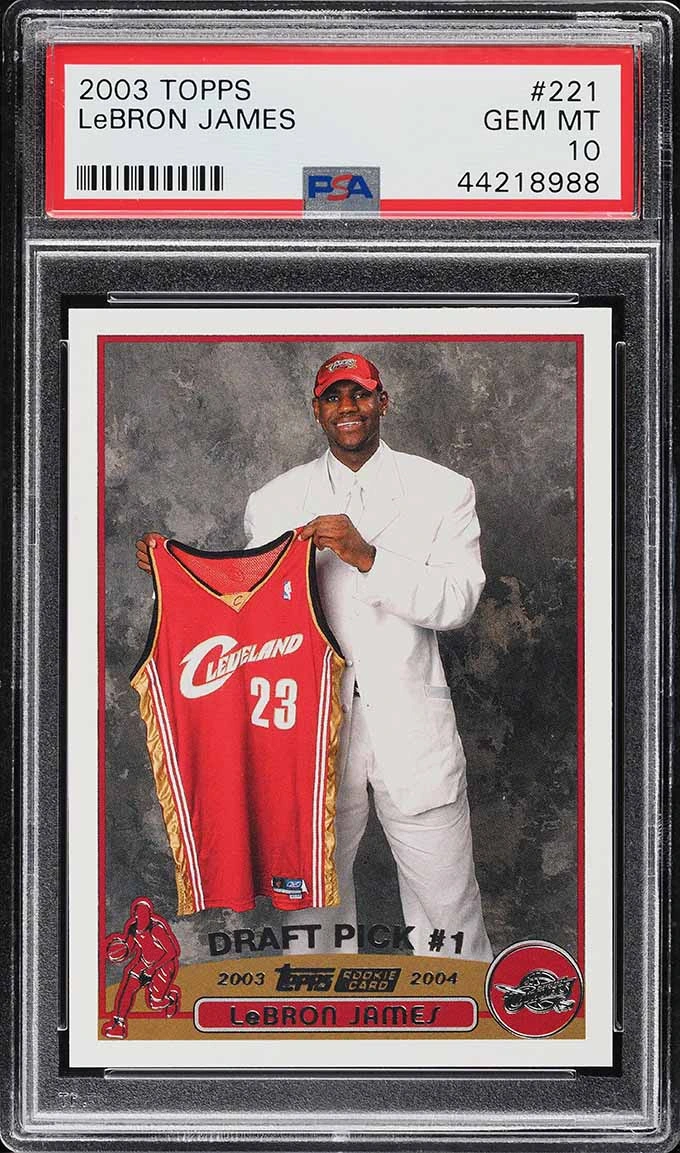
2003 Upper Deck Exquisite LeBron James rookie autograph
If any of these are sitting in your collection, they could carry serious value, particularly in strong condition.
Step 3: Understand the Full Basketball Card Set Landscape
Basketball card history is much shorter — and in some ways more concentrated — than baseball or football. From the late 1940s through the late 1960s, only a small handful of mainstream basketball sets were produced, which makes early issues especially scarce. Sets that consistently draw strong buyer interest include:
-
1948 Bowman
-
1957 Topps
-
1961 Fleer
-
1969 Topps
-
1970 Topps
-
1984–85 Star
-
1986 Fleer
-
1996 Topps Chrome
Even if you don’t have a complete set, individual stars, rookies, and Hall of Famers from these releases are worth having appraised. Partial sets and high-grade commons can also add up to meaningful value.
Step 4: Understand What Determines Card Value
When you’re trying to figure out what your basketball cards are worth, a few core factors always come into play:
When the card was issued relative to the player’s career. Rookie and early-career cards typically carry the highest premiums.
The rarity of the set. Regional issues, short print runs, and test sets tend to be harder to find and command higher prices.
Condition. A card’s centering, corners, edges, and surface all affect its grade — and grade has an enormous impact on price. A card in near-mint condition can be worth many times more than the same card in well-worn condition.
Supply and demand. Popularity shifts over time. A player’s Hall of Fame induction, a milestone season, or renewed cultural interest can all drive demand for their vintage cards.
Step 5: Photograph or Scan Your Best Cards
Once you know which cards are likely to carry the most value, take clear photos or scans of both the front and back. Good images make it much easier for a buyer to give you an accurate preliminary evaluation without you having to ship anything first. For a full set, it also helps to include a few images of average-condition cards so a buyer can gauge the overall quality of the collection, not just the top pieces.
Step 6: Decide Where to Sell
This is where most sellers get stuck. There are three common paths, each with tradeoffs.
Selling on eBay
eBay gives you access to a huge pool of buyers, but it also comes with real costs — listing fees, final value fees, payment processing fees, and the time it takes to photograph, describe, list, ship, and handle customer questions or returns. If you’re not deeply familiar with grading standards and market pricing, there’s also a real risk of underselling valuable cards or overpricing common ones so they never sell at all.
Consigning to an Auction House
Auction houses can generate strong prices for elite, high-grade cards, but the process is slow. You’ll typically wait months for the auction cycle to complete, and then longer for payment to clear. On top of that, buyer’s premiums and seller’s commissions can eat up a significant chunk of the final price — sometimes 30% or more between both fees.
Selling Directly to a Card Dealer or Buyer
Selling directly to an established basketball card buyer is usually the fastest and least stressful option. A reputable dealer will appraise your collection, make a cash offer, and handle payment quickly — often within a day or two. This route sacrifices a small amount of top-end price potential in exchange for speed, simplicity, and certainty.
Step 7: Get a Free Appraisal
Most established basketball card buyers offer free appraisals, either in person or by mail. A good appraisal process typically works like this:
-
You submit basic information and photos of your collection online.
-
A specialist reviews your submission and schedules an appraisal — in person or remotely.
-
If you’re shipping your cards in, look for a buyer who covers return shipping if you don’t reach an agreement, so there’s no risk in getting a professional opinion.
-
Once the appraisal is complete, you’ll receive a cash offer for your collection.
Step 8: Don’t Overlook Unopened Packs and Boxes
If you have unopened basketball card packs, boxes, or cases, hold off on breaking them open. Sealed, unopened vintage product often carries a premium over the individual cards inside, since the mystery and originality of an unopened box has its own collector appeal. Reach out to a buyer before opening anything you suspect might be valuable.
Final Thoughts
Selling basketball cards doesn’t have to be complicated, but a little preparation goes a long way. Take the time to inventory your collection, flag your most valuable rookies and sets, and get clear photos of your top pieces. From there, weigh your options — eBay, an auction house, or a direct buyer — based on how much time you’re willing to invest versus how quickly you want to get paid. With the right approach, you can turn a box of old cardboard into a fair, fast payday while making sure your most valuable cards get the attention they deserve.